Listen to the brief
English · AI-generated summary and voice · Cedar · 1.08× narration
Read the audio transcript
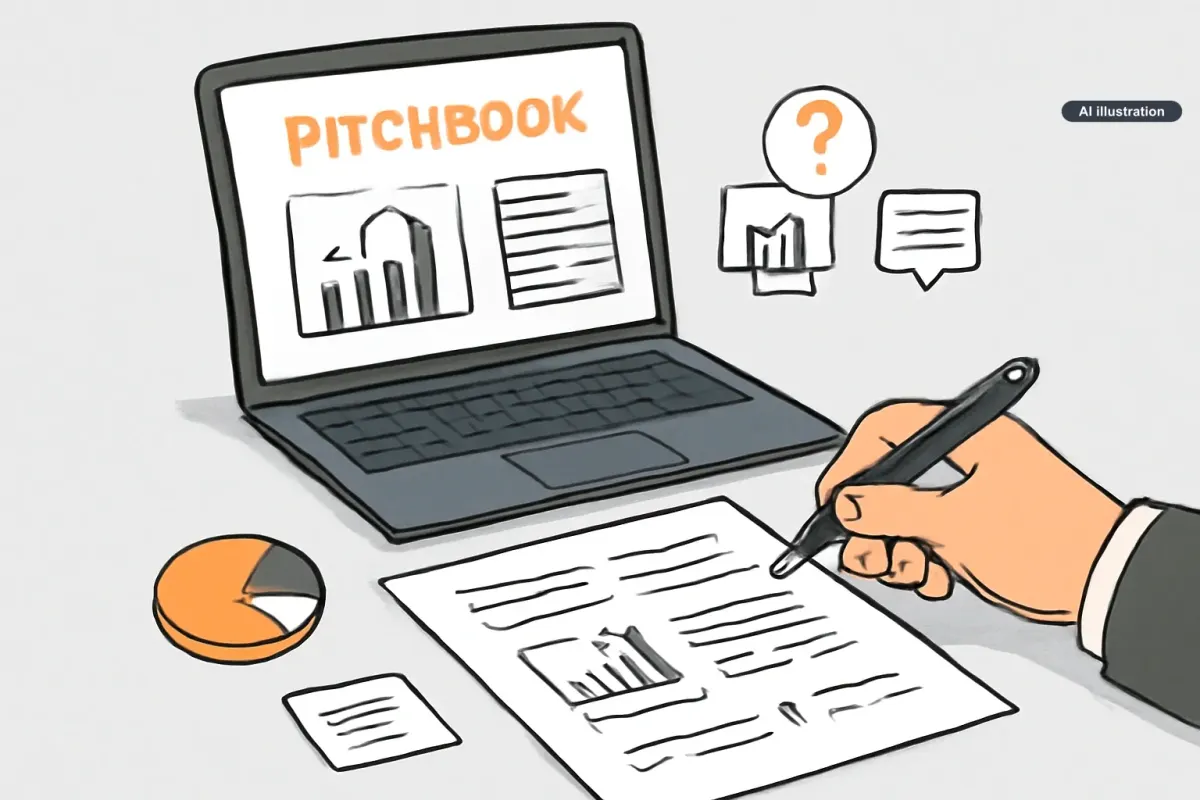
OpenAI has launched ChatGPT for Financial Services, a version aimed at junior banking work like company research, financial data pulls, and pitchbooks. CNBC reported that OpenAI built it with Morgan Stanley and Evercore as design partners, and showed it analyzing a possible M&A target, pulling figures, and producing a formatted presentation. OpenAI vice president Nick Turley says the goal is to research and support conclusions the way an analyst would. That matters because these tasks are part of how junior bankers learn the job. The report also suggests a limit: the tool can gather data and make slides, but it does not prove it can judge whether the deal story makes sense.
Analysis. OpenAI’s new ChatGPT for Financial Services is aimed at work associated with junior bankers: company research, financial data pulls and pitchbooks. That matters because those tasks are not just admin. They are the apprenticeship layer that teaches analysts how to turn messy information into a defensible deal narrative.
CNBC reported that OpenAI developed the product with Morgan Stanley and Evercore as design partners and showed it analyzing a potential M&A target, pulling figures from financial data sources and producing a formatted presentation. OpenAI vice president of product Nick Turley framed the system as something that should research and back up conclusions the way an analyst would. That is the core signal from the launch: the pitch is not that the tool replaces bankers wholesale, but that it compresses the repeatable parts of the job.
What the launch evidence actually supports
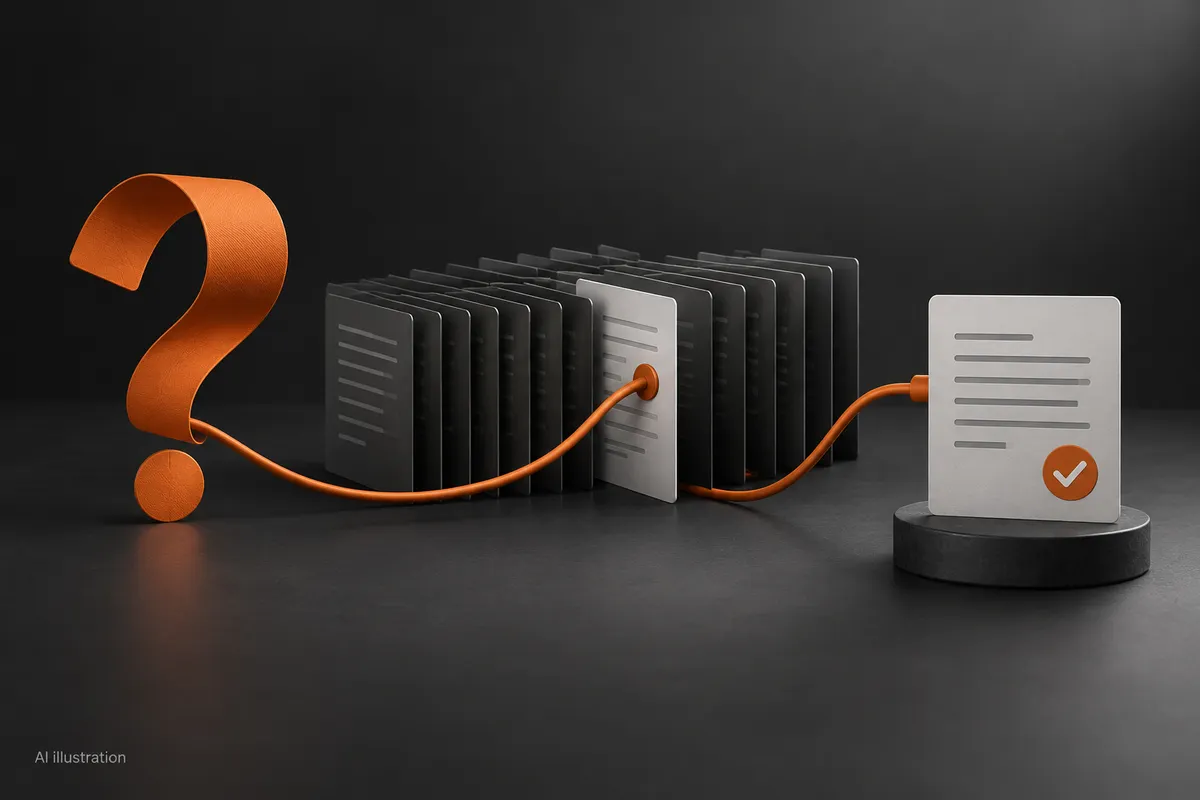
The strongest evidence in the report is about workflow, not judgment. OpenAI says the finance version adds native access to LSEG, Daloopa, Crunchbase and PitchBook, plus citations that trace numbers back to source filings and tools to audit charts. Those additions matter because they address the main weakness of generic chatbots in finance: they can sound plausible without showing where the numbers came from.
That points to a clear division of labor. The system appears suited to collecting company data, drafting slides and tracing figures back to source material. It does not, at least in this report, show that it can decide whether the assumptions are right, whether the argument is coherent or whether a deal actually makes sense. Turley’s own wording captures that limit when he says it is easy to make slides that look good, but much harder to make slides that make sense.
Our reading is that this is closer to an analyst assistant than a banker replacement. It may reduce the time spent on repetitive prep work, but the value in junior banking has never been only speed. It is also the process of learning how to reason under pressure, defend a number and notice when a neat slide hides a weak argument.
Why the training question matters
The CNBC report also quotes Goldman Sachs partner Chris Churchman, who warned that automating tasks that train junior bankers could cause “cognitive atrophy.” That is not proof of harm, but it is a real concern: if the tool takes over too much first-draft work, firms may get faster output and weaker training at the same time.
Because this is a launch report rather than independent testing, several questions remain open. The retrieved report does not establish pricing, adoption, how often the citations hold up in real workflows, or how the system behaves when the source data are incomplete or messy. Those details will determine whether it becomes a useful copilot or just another layer of software that still needs heavy correction.
A practical way to judge it is simple: test one task where the output must be both correct and explainable. If the system can assemble the data, cite the source and survive a skeptical read-through, that would be a useful starting point for a supervised pilot, rather than proof it can replace a role. If it can only make the deck look polished, the human job remains to decide whether the story holds up.
The next useful signal to watch is whether banks publish measured evidence of time saved without weakening review standards. That would say more about real substitution than any polished demo.