
November 13, 2026 — IBM is expanding its approach to AI-agent security with the acquisition of AuthMind, an identity-observability and threat-detection company. In a November 12 company announcement, IBM said the technology would extend the HashiCorp Vault platform beyond issuing credentials to monitoring how those credentials are used as agents operate across apps, tools and datasets.
The announcement reflects a practical shift in enterprise AI. A chatbot that only drafts text raises one set of security questions; a software agent that can read customer records, update a ticket, use a cloud API or delegate work to another agent raises another. Knowing that an identity logged in successfully does not establish that every subsequent action is permitted.
From credential issuance to runtime activity
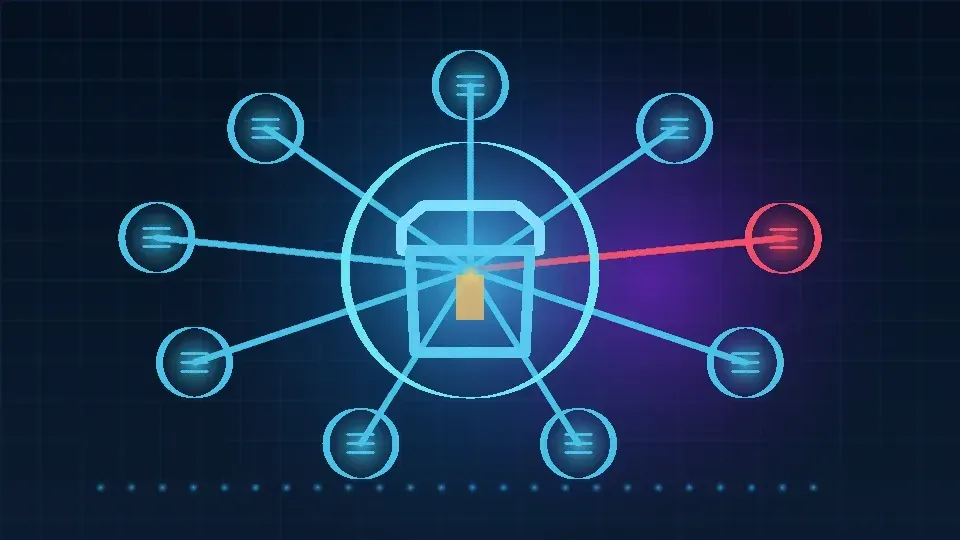
Vault already provides secrets management and identity-based access capabilities. IBM's plan adds an Agent Identity approach and AuthMind's visibility into activity after access has been granted. The acquired technology uses what IBM calls an identity activity graph: a representation of which human, machine and agent identities connect to which resources and how those relationships change.
IBM describes five areas of control: registering each agent with an owner, delegating explicit authority, authorizing least-privilege access with short-lived credentials, auditing what agents do and revoking risky access. The company says the added observability is intended to help identify shadow agents, excessive permissions, unusual access patterns and potential policy violations. These are product capabilities and design objectives claimed by IBM, not independent evidence of perfect detection.
Why the authorization chain matters
Consider an agent hired to prepare a monthly customer report. It could legitimately read sales records and summarize figures, but that instruction does not necessarily authorize downloading a whole customer database or sending it to an unrelated service. If it calls another agent, the central question is whether the second agent inherits only the delegated permission—or accidentally receives broader access from a reused credential.
Conventional login logs may record the credential but not the business justification for a sequence of API calls. Runtime monitoring can give security teams more context, provided the tool integrations capture the relevant actions and the policies distinguish ordinary operations from risky ones. Enterprises also need a way to revoke access promptly without breaking legitimate processes.
Acquisition is not the same as deployment
A November 12 report based on IBM statements notes that IBM Ventures invested in AuthMind in 2023 and that the companies had already collaborated on identity-protection work. IBM has described the strategic integration with Vault, but the announcement does not by itself establish universal product availability, third-party coverage or independently measured breach prevention. An organization will still have to inventory its agents, establish ownership, connect the relevant applications and test permission boundaries.
The important comparison is not simply whether one security platform has more AI features than another. It is whether an operator can answer, for any agent action: who asked for it, what authority was granted, what was actually done and how quickly could that authority be withdrawn? That evidence becomes more important as organizations move from supervised assistants to agents acting across systems.
Sources: IBM Newsroom (November 12); StreetInsider (November 12).


