
November 13, 2026 — OpenAI has introduced ChatGPT Wallet, a payment service designed to let its AI agents complete purchases without seeing a user's actual card details. The initial release is limited to eligible ChatGPT Pro subscribers in the United States using the company's dots agents. It is a noteworthy move from AI-assisted product discovery toward transaction execution, but it is not a general license for agents to spend money independently.
How the new checkout works
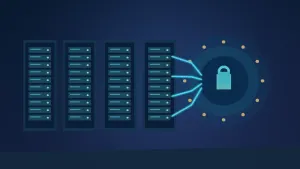
OpenAI says users can save a payment card, while the wallet requires a separate review and security check for each purchase. When an agent reaches checkout, the user is shown the items, the purchase total and the selected card. Each purchase requires a security check, such as facial or fingerprint authentication. OpenAI says checkout uses a payment token in place of the underlying card credentials. The charge is made against the selected card, while the agent and merchant do not receive the user's actual card details, according to OpenAI's launch announcement.
This distinction matters. The agent may have navigated a merchant's website, compared alternatives and assembled a basket, but the current design places the final financial decision with the customer. The token is a way to execute the approved transaction, not evidence that a model has unlimited authority over a person's bank account. OpenAI also says the wallet preserves eligible existing card rewards and dispute protections; OpenAI says merchants retain control over pricing, order fulfillment, returns and customer relationships.
Why this is different from a chatbot recommendation
Shopping assistants have long been able to suggest products or provide links. A payment capability changes the practical test: can an agent move reliably through checkout, identify a valid total, avoid duplicate orders, pass a merchant's fraud checks and leave an auditable record of what was authorized? These are operational questions rather than model-benchmark questions. Even a good recommendation is of little use if the actual transaction fails or produces an unexpected delivery or refund problem.
OpenAI says merchant websites will need to avoid unintentionally blocking legitimate agent traffic and ensure their risk systems recognize agent-initiated purchases. That is an interoperability requirement, not a guarantee that every store can be used on day one. TechCrunch's November 13 report identifies retailer restrictions on third-party shopping agents as one potential obstacle to adoption.
A narrow launch with broader ambitions
The initial launch is limited to some US ChatGPT Pro users; OpenAI has not announced general international availability. OpenAI says it worked with American Express, Mastercard and Visa. The company expects to explore pre-authorized purchases within spending limits, categories or time periods in the future, but those wider delegations should not be confused with the current per-transaction approval process.
The release also follows OpenAI's November 10 Businesses in ChatGPT announcement, which introduced business profiles and Business Agents for eligible US businesses. The two offerings address different sides of commerce: customer-facing discovery and support on one side, user-authorized payment execution on the other.
What remains to be proven
The company has not provided a universal merchant compatibility list or published independent failure-rate statistics for the wallet's checkout experience. Its security description establishes an intended authorization and tokenization flow; it does not demonstrate that all possible agent mistakes, merchant disputes or account-takeover scenarios have been eliminated. Early deployment should therefore be judged by completed legitimate orders, prevented unauthorized spending, clear receipts and effective recovery from failed purchases—not by the number of purchases an AI says it could make.
Sources: OpenAI announcement (November 13); TechCrunch (November 13).